I don't talk about AI. I use it to solve real problems, then I show you exactly how. No prompt screenshots, no “look what ChatGPT can do.” Just the systems, the frameworks, and the results.
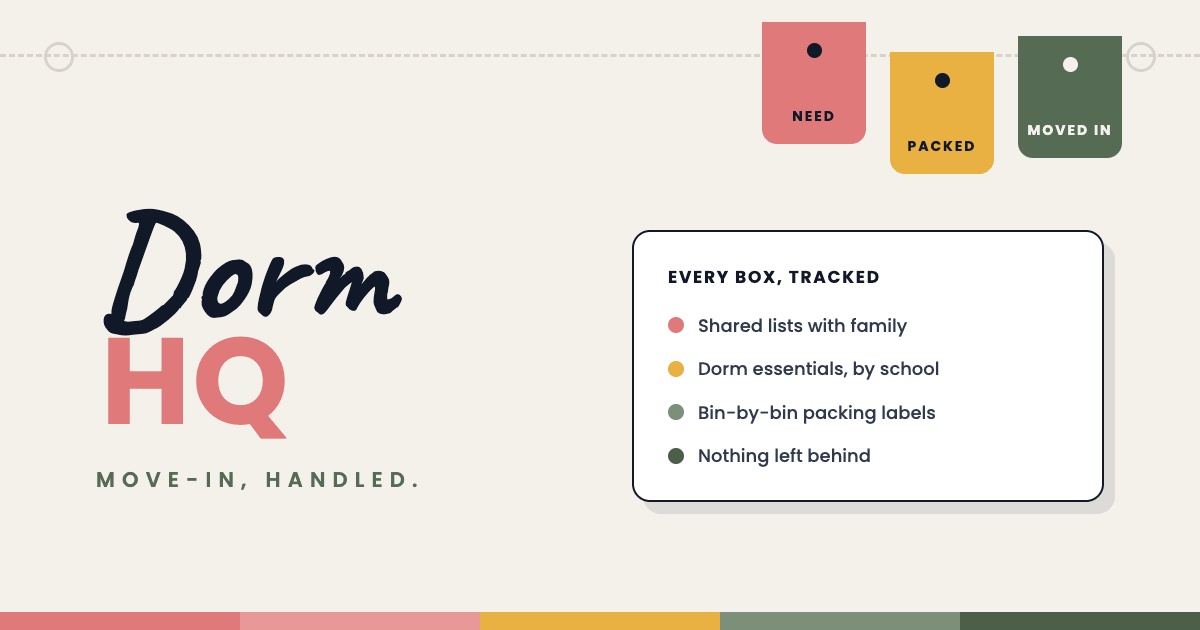
This is the same instinct I bring to a client's MarTech stack — find the real workflow underneath the mess, model it properly, then build the system that holds up. Here it's a dorm move-in instead of a lead lifecycle.
My daughter Kayla was moving into her dorm at Georgia Southern, and I wanted something better than a shared spreadsheet to track what was bought, packed, loaded, and actually put away — and which bag or vehicle it was in when we couldn't find it.
A move-in tracker with a five-stage item lifecycle (Already Have → Purchased → Packed → Loaded → Put Away), per-item location assignment so you always know which bag or vehicle something's in, a move-in day timeline, and a room setup checklist. It worked well enough that I'm building it into a real product for other families doing the same move.
Three countries, two weeks, one graduate who didn't want a single bus tour.
I connected AI to my Gmail and had it pull every confirmation scattered across months of booking: flights, cruise, hotels, excursions. It turned that mess into one clean itinerary, then built a follow-up survey so we could capture what actually worked once we got back.
When I started taking on more fractional engagements, I had inbound leads, referrals, and follow-ups scattered across email threads and sticky notes. Spreadsheets don't scale once it gets real.
A full Notion command center. Linked databases tracking every prospect, every referral, every follow-up. An automated Gmail sweep that pulls inbound inquiries, scores each lead against a framework I built, and logs anything worth pursuing.
Generic discovery calls get you generic scope. I needed prep that matched the actual stack and actual pain points of each prospective client, not a recycled pitch deck.
Custom prep packets per prospect. Pulls in the company's tech stack, the point of contact's background, and the specific operational problems they're likely fighting, then maps my own case studies directly to those problems.
Inbound interest shows up everywhere: LinkedIn, referrals, cold outreach. It doesn't tell you what's actually worth your time.
A scoring system that takes every inbound lead and rates it against criteria that actually matter to me: deal size, scope fit, company stage, timeline. Logged automatically, reviewed weekly.
Every MOps resume I screen gets judged the same six ways in my head. I got tired of only sharing that read one DM at a time.
An AI-powered resume and LinkedIn review that scores against the same criteria I actually use hiring: systems fluency, quantified impact, ownership versus task language, ATS keyword coverage, and unexplained gaps. Free, no email gate.
Want to talk about how this kind of thinking applies to your team?
Book a Call